Forget those sickly sweet, chemically tasting sodas you find on the grocery shelves, okay? I swear, when I want something truly fizzy and refreshing, nothing beats making my own batch right in my kitchen. It’s like magic watching water transform into something fizzy and alive! And trust me, if you can boil water and squeeze a lemon, you can make this. We’re going deep into making the most amazing Natural Homemade Lemon Ginger Ale you’ve ever tasted. It’s bright, it’s spicy, and the best part? You control everything that goes into it. I’ve been kicking around recipes for homemade sodas for years, experimenting until I finally landed on this killer combination that always gets rave reviews at my summer BBQs.
Why You Will Love This Natural Homemade Lemon Ginger Ale
-
Fresh Flavor Profile
Oh, the taste! It’s so much brighter than anything store-bought. You get that immediate, clean hit of real lemon cutting through the warmth of honest-to-goodness ginger root. It’s zesty and fiery all at once!
-
Controlling Sugar in Your Natural Homemade Lemon Ginger Ale
This is huge for me. I hate feeling like I’m drinking a sugar syrup. Because we’re heating it up ourselves, we decide exactly how much sugar goes in that initial syrup. You can sneakily cut back and still end up with a wonderfully punchy Natural Homemade Lemon Ginger Ale.
Essential Ingredients for Natural Homemade Lemon Ginger Ale
When you’re going for the freshest taste possible, you absolutely cannot cut corners on the main actors here. Everything needs to be good quality because there are so few ingredients hiding anything! I always lay out everything before I even turn the stove on so I don’t get halfway through and realize I missed something crucial. Making homemade substitutes, like learning how to make heavy cream at home, reminds you just how simple good ingredients are.
Ginger and Lemon Base Ingredients
The ginger is the star’s co-pilot, so treat it right. You need a full cup of fresh ginger, and this is key—it must be peeled and then sliced up. Don’t even think about mincing it; slices give you a better flavor extraction during the simmer. For that beautiful, tartness, grab a full cup of fresh lemon juice. Seriously, skip the bottled stuff here; the flavor difference is night and day!
Sweetener and Water for Natural Homemade Lemon Ginger Ale
For the sugar, we’re using one cup. This really helps activate the yeast if you’re carbonating later. And for the water, please use filtered water if you can. Tap water sometimes has too much chlorine that mutes the delicate ginger spice. You’ll need 8 total cups of water—part for the syrup, part for diluting later. These simple components make for the best Natural Homemade Lemon Ginger Ale base.
Step-by-Step Instructions for Making Natural Homemade Lemon Ginger Ale
Okay, gather your pots and get ready. This part is where the flavor actually wakes up! If you follow these steps exactly, especially on the timing, you’re going to have a fantastic ginger syrup concentrate that tastes leagues better than anything fake you usually buy off the shelf. It’s a little bit hands-off time, but worth every second. Think of all the great drinks you can mix up once you have this base, like trying a fun, fizzy variation of peach lemonade!
Creating the Ginger Syrup Concentrate
First things first, grab a saucepan. You’re going to combine your ginger slices, the sugar, and the first 4 cups of water right in there. Get that on the stove and bring it up to a full boil. Once it’s boiling nicely, immediately knock that heat down low so it’s just simmering gently. Let that simmer away for exactly 20 minutes. That time lets the ginger really release its zing into the sweet liquid. After 20 minutes are up, turn the burner off completely! Don’t touch it! Let the whole thing steep off the heat for a full 30 minutes. This steeping period is non-negotiable for maximum spice extraction. Seriously, don’t rush this part.
Straining and Diluting the Natural Homemade Lemon Ginger Ale Base
Once the 30 minutes of steeping are done, you need to strain out all those ginger solids. Use a fine-mesh sieve—I like to line mine with a thin piece of cheesecloth just to catch any tiny bits, but a good sieve works fine too. We only want that fragrant, spicy liquid. Now, take your glorious ginger liquid and pour it into a big bowl or pitcher. Stir in your full cup of fresh lemon juice and then add the remaining 4 cups of cool water. Ta-da! You now have your non-carbonated base for the Natural Homemade Lemon Ginger Ale. Taste it now—it should be potent and sweet!

Carbonation Process for Your Natural Homemade Lemon Ginger Ale (Optional)
If you want the fizzy stuff, which, let’s be honest, we all do, this is where the fun (and caution!) comes in. Pour your base liquid into strong, clean, sealable bottles—the kind meant for homebrewing or soda are best. Make sure you leave about an inch of empty space right at the top; this headspace is important! If using yeast, add just a tiny, tiny pinch to each bottle. Seal them up tight. Now, leave these bottles sitting on your counter at room temperature for 1 to 3 days. You must check the pressure daily by carefully squeezing the bottle; when it feels rock hard, the magic is done! Carefully refrigerate them right away to stop the yeast from creating too much pressure, and your Natural Homemade Lemon Ginger Ale is ready!
Expert Tips for the Best Natural Homemade Lemon Ginger Ale
Making this soda is easy, but tweaking it so it tastes *exactly* how you want it? That takes a little experience. I’ve learned a few things over the years that make the difference between a good ginger ale and one that people actually ask for the recipe to. It’s all about managing that beautiful spicy kick and the fizz factor. You can see how making great citrus drinks are kind of my thing; I even have a favorite Chick-fil-A lemonade recipe that’s requested all the time!
Adjusting Spice Level in Natural Homemade Lemon Ginger Ale
If you love a big, fiery bite—like the kind that tickles your throat just right—then be generous with the ginger when you’re slicing it up for the initial boil. Maybe even add an extra inch or two to that cup measurement. Now, if you’re serving this to kids or folks who don’t like too much heat, just pull back on the ginger a bit. You can always add more solids back in for the steeping time if you realize it’s too weak, but you can’t take the power out once it’s steeped in there! Fine-tuning the spice is what makes your Natural Homemade Lemon Ginger Ale perfectly yours.
Achieving Perfect Carbonation
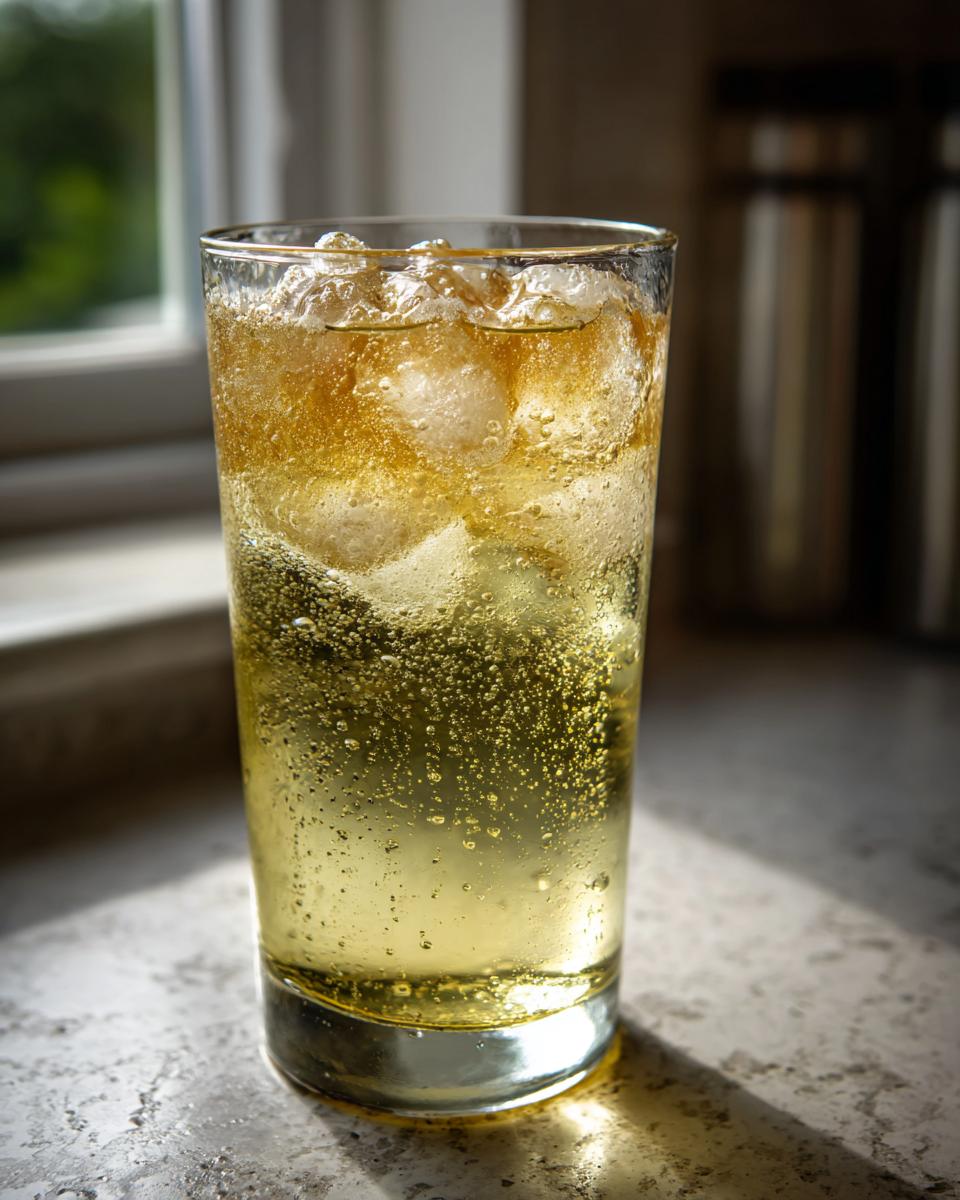
Listen, safety first when you’re dealing with natural carbonation! The yeast creates CO2, and if you don’t have the right containers, things can get messy fast. Only use bottles specifically rated for pressure—those thick glass soda bottles or flip-top bottles work great. Never use thin jars or bottles that don’t truly seal properly. And I mean it: test that pressure every single day. If you hear a hiss, it means it’s ready to chill! Don’t get greedy waiting for that extra bubble; a blown bottle is totally not worth it.
Ingredient Notes and Substitutions for Natural Homemade Lemon Ginger Ale
One of the best parts about making a big batch like this is you aren’t locked into one final product. If Aunt Mildred hates fizz, no problem! If you’re out of sugar, we’ve got options. I always keep a few workarounds in mind, especially when serving a crowd with different tastes. It’s a versatile base, which is why I love it so much more than buying a case of the same thing every time. Speaking of versatility, you can make a delicious pineapple lemonade base using similar techniques if you want a tropical twist next time!
The Skip-the-Fizz Option
If you absolutely do not want to mess with the yeast and the waiting game of carbonation, you don’t have to! Just skip the bottling step entirely. Once you’ve mixed your ginger syrup, lemon juice, and the rest of the water, pour that base directly into your serving pitchers or individual glasses. It tastes wonderful poured over ice—it’s basically a super-concentrated, spicy lemonade. Honestly, this non-carbonated Natural Homemade Lemon Ginger Ale is perfect for chilling kids who don’t like the pressure build-up.
Swapping Out the Sweetener
Sugar is great because it feeds the yeast perfectly if you’re going for the pop, but what if you want a less refined option? You can certainly substitute the white sugar with an equal amount of honey or maple syrup. Just know this: if you use honey or maple, your resulting Natural Homemade Lemon Ginger Ale will have a slightly deeper, different background flavor. Maple adds a lovely earthy note. If you carbonate with these alternatives, the yeast might react a little differently, so definitely monitor your pressure bottles extra carefully!
Alternative Carbonation Methods
Maybe you’ve got a SodaStream sitting on your counter, or maybe you just don’t trust the yeast method. That’s totally fine! You can skip the yeast step completely and just chill the base syrup mixture. When you’re ready to serve, take your cold, flavourful base and carbonate it instantly in your soda maker. You’ll get instant fizz without the 2-day wait. This is faster, but you obviously need the specialized equipment. Either way, the flavor of the ginger and lemon shines through beautifully in this Natural Homemade Lemon Ginger Ale.
Storage and Serving Suggestions for Natural Homemade Lemon Ginger Ale
Once you’ve hit that perfect level of bubbly goodness in your bottles, you have to stop the yeast dead in its tracks, or you’ll end up with something that tastes a little too much like old cider! That means moving those sealed bottles straight into the coldest part of your refrigerator immediately. The cold temperature essentially puts the yeast to sleep. They should keep well for a couple of weeks down there, though honestly, my batches never last that long.
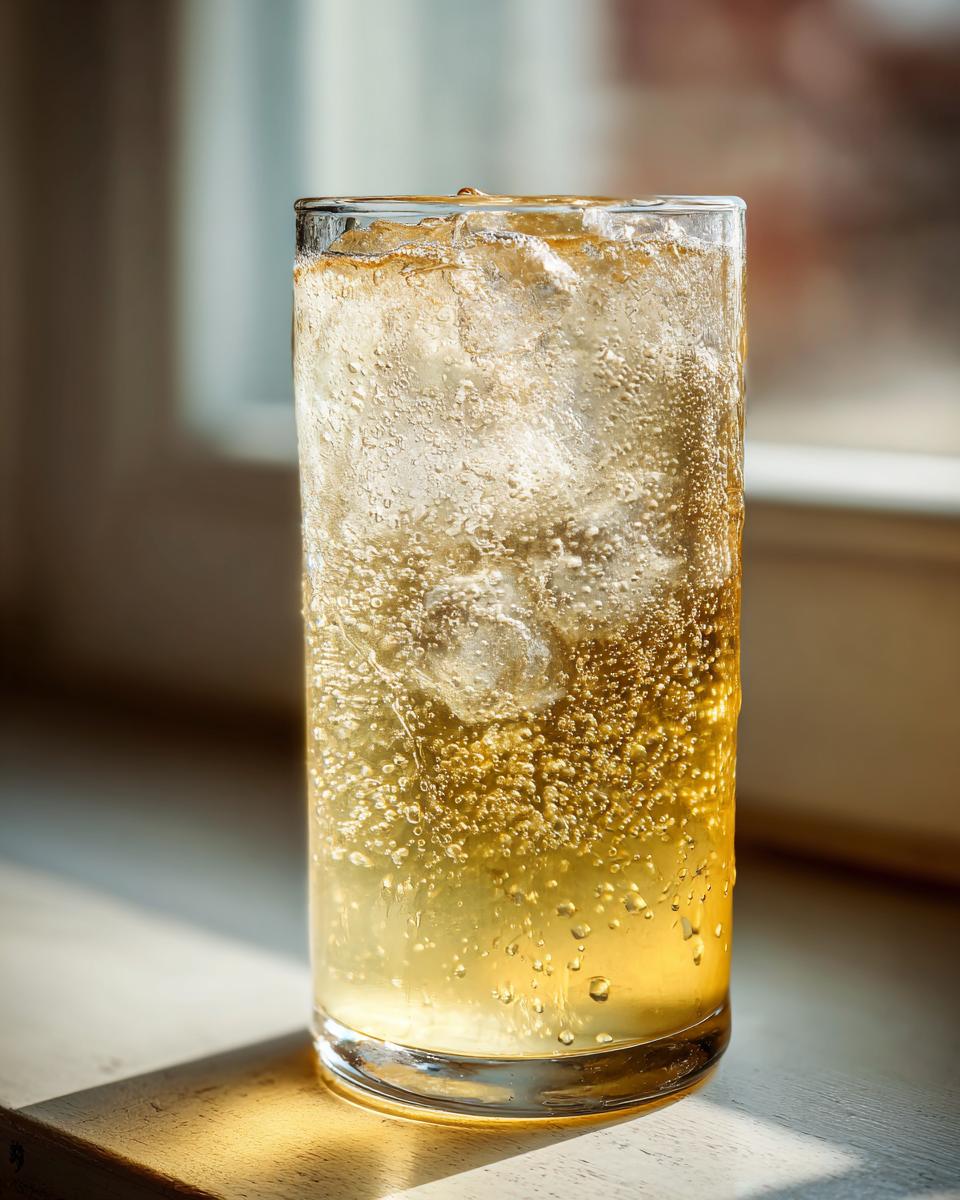
When it’s time to enjoy your beautiful homemade soda, serve it super cold over tons of ice. That crunch of the ice hitting the glass just makes the whole experience better, you know? I also love garnishing mine; a thin wheel of fresh lemon floating on top is classic, but if you have any leftover ginger slices, tossing a few in adds to the visual appeal. It looks so artisanal! You can also mix this base liquid (the un-carbonated version) with clear spirits if you’re having a grown-up gathering; it makes a killer, bright mixer for things like vodka or white rum. It’s a fantastic brightener for cocktails, just like how a good citrus base works in a cherry limeade.
Troubleshooting Common Natural Homemade Lemon Ginger Ale Issues
Even the best recipes sometimes hit a snag, right? Don’t panic if your batch turns out a little different than expected! It’s just a sign you’re actually cooking and experimenting rather than just following factory instructions. Most issues with homemade soda come down to temperature, time, or ingredient ratios. When I first started making my own fizzy drinks, I definitely ended up with a bottle cap explosion once or twice—oops!
What if I have absolutely no fizz in my Natural Homemade Lemon Ginger Ale?
This usually boils down to one of two things: old yeast or not enough warmth. If you used yeast, check the expiration date! Dead yeast means no CO2 production. If the yeast was fine, maybe your room temperature was too cold. Yeast needs warmth to wake up and get busy eating sugar. If you’re in a chilly kitchen, try moving those bottles to a warmer spot, like the top of the fridge or inside an oven that’s turned off (but maybe put a note on the door so no one accidentally turns it on!). If you skipped the yeast, well, that’s why there’s no fizz! Go grab a glass and add some ice, because you made the flat version, which is still delicious!
My Natural Homemade Lemon Ginger Ale is way too spicy!
I told you ginger is powerful! If your ginger ale is burning your throat a little too much, don’t worry, you don’t have to dump the whole batch. This is an easy fix involving dilution. Since you used a concentrated ginger syrup to start, you can just thin it out more with plain, unflavored water. Take a small taste of the strong base, and then start adding cold, filtered water a small splash at a time until that sharp spice mellows out to where you like it. Remember, this dilution works best on the un-carbonated base before you add the yeast, but you can certainly dilute the finished product if you’re desperate!
The bottles feel too hard—I think too much pressure built up!
Okay, caution required here! If you check your bottles and they feel rock-solid and sound hollow when you tap them, they are holding a lot of pressure. You need to release some gas immediately. Do this slowly over the sink, or even outside, just in case! Carefully open the cap just a tiny bit until you hear the hiss, let some pressure escape, and then seal it again tightly. Once you’ve relieved the pressure, put the bottle in the fridge right away. The cold will slow down all that yeast activity so it doesn’t build up dangerously again. It’s better to burp them daily than risk a cleaning disaster!
Why does my non-carbonated batch taste flat?
If you skipped the fermentation process, your drink is still wonderful, but it tastes more like a strong, slightly sweet ginger tea. That’s perfectly normal for the non-carbonated version of Natural Homemade Lemon Ginger Ale. If you want that *zing*, you have to recreate the bubbles. The simplest way is to add a splash of club soda or seltzer water when you pour it over ice. You get the flavor without the yeast hassle, and it really wakes up those lemon and ginger notes!
Estimated Nutritional Information for Natural Homemade Lemon Ginger Ale
Now, I always get a few questions about the sugar content, especially since we start by making that rich syrup. I want to be super upfront about what’s in this wonderful drink, but please take these numbers with a small grain of salt—or maybe a dash of ginger! Since we’re making this from scratch using real ingredients, the exact nutrition can shift slightly based on the amount of sugar you decide to use or how small your lemons actually were. It’s all an estimate here, but it gives you a good ballpark figure for an 8-ounce glass.
Based on the standard measurements in the recipe, here’s what we usually see per serving size, which I measure out to about 8 oz:
- Calories: 120
- Sugar: 30g
- Sodium: 5mg
- Fat: 0g
- Saturated Fat: 0g
- Cholesterol: 0mg
- Protein: 0g
- Carbohydrates: 31g
The bottom line is, yes, it has sugar because sugar helps build that beautiful structure and feeds the yeast if we’re making it fizzy. But compare that to many store-bought sodas, and you’ll see we’re doing pretty well controlling the additives! If you are counting your intake, remember you can always dilute it more with plain filtered water or club soda when serving to lower that sugar concentration per glass. If you’re trying to hit those hydration goals, make sure you check out this great guide on how to drink 8 glasses of water each day. Even if you’re drinking this tasty ale, staying hydrated with plain water is always key!
Questions About Your Natural Homemade Lemon Ginger Ale
When people start making their own soda at home, they always have a ton of questions, and that is totally understandable! You’re dealing with yeast and pressure now, which is a step up from just pouring juice into a glass. I always try to answer the most common things right here for you, so you feel super confident bottling that amazing flavor. It’s a completely different world from just whipping up a quick lemonade pie recipe!
How long does homemade lemon ginger ale last in the fridge?
This is the big one! Because we aren’t using any heavy-duty preservatives like the big companies do, you want to treat this like fresh juice. If you’ve carbonated it, once it’s super cold in the fridge, it should be really good for about two weeks. The colder it stays, the happier it will be, and the slower that yeast will work. If you made the flat version (no yeast simmered), it will last slightly longer, maybe closer to three weeks, because there’s no active fermentation trying to break things down. Honestly, mine never lasts that long once my family finds out I made a batch!
Can I use different sweeteners in this natural homemade lemon ginger ale?
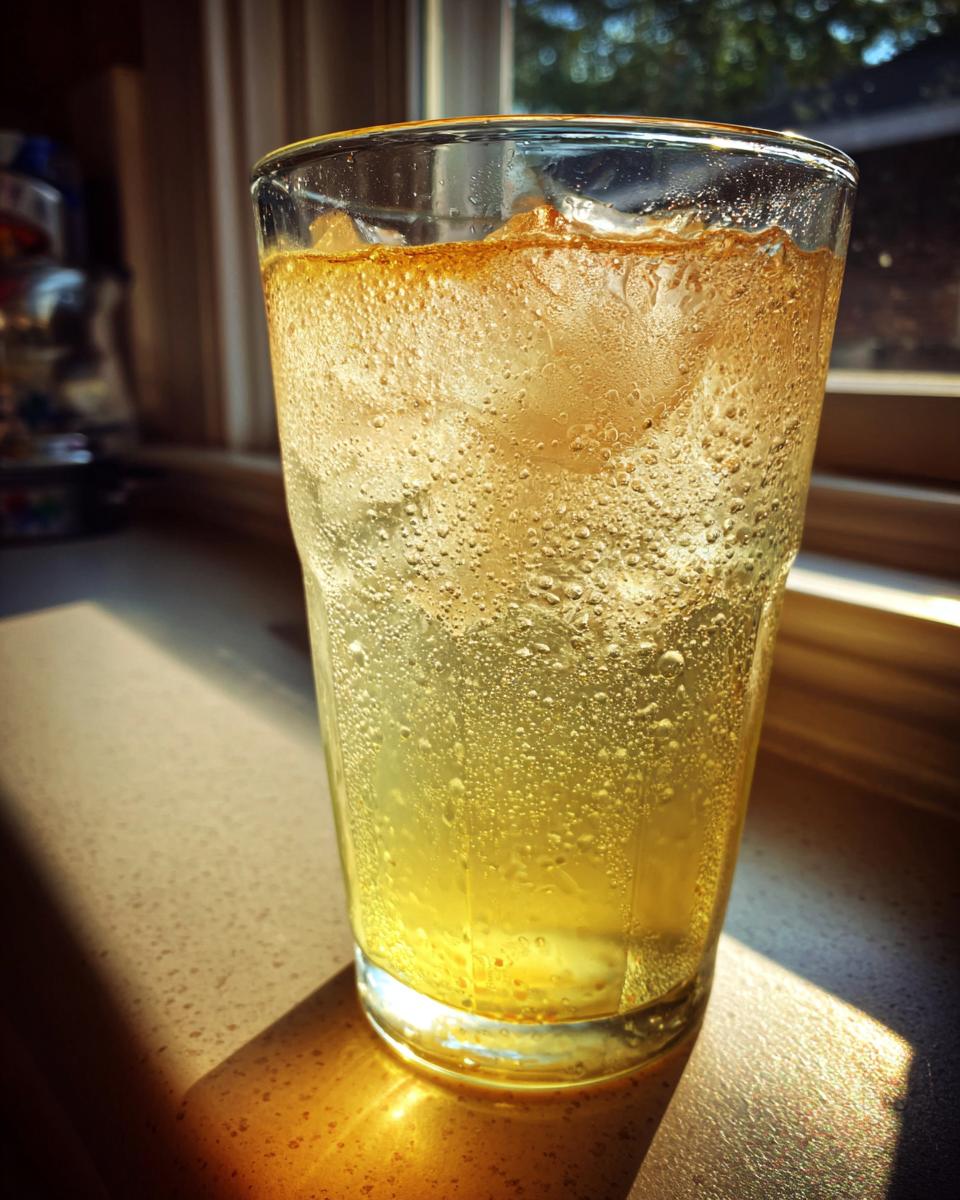
You absolutely can experiment with sweeteners other than plain white sugar! Honey or maple syrup are popular swaps, and they add lovely little undertones to the flavor. Just remember this: if you use honey or maple, the yeast might react a little differently than it does to plain sucrose. If you are carbonating, you MUST keep a close eye on those bottles for the first 24 hours. If you notice bubbling or pressure building too fast, you need to refrigerate it sooner than you might normally, just to keep everything safe and not cause a fizzy mess!
What kind of bottles should I use for carbonation?
This is where we talk safety! You cannot just use any old jar or a thin water bottle. When yeast works, it builds serious pressure inside that sealed container. You absolutely must use pressure-rated, sturdy, sealable bottles. Think about the thick glass bottles that commercial sodas or beer come in—those are what you want. Flip-top bottles with rubber gaskets are my favorites because you can hear and feel them seal nice and tight. If the bottle feels flimsy or you can see any cracks, toss it. We want delicious soda, not a science experiment explosion on your counter!
Print
Natural Homemade Lemon Ginger Ale
- Total Time: 35 min
- Yield: About 2 liters 1x
- Diet: Vegan
Description
A simple recipe for making refreshing lemon and ginger soda at home.
Ingredients
- 1 cup fresh lemon juice
- 1 cup fresh ginger, peeled and sliced
- 1 cup sugar
- 8 cups water
- Yeast (optional, for carbonation)
Instructions
- Combine ginger, sugar, and 4 cups of water in a saucepan.
- Bring the mixture to a boil, then reduce heat and simmer for 20 minutes.
- Remove from heat and let the ginger steep for 30 minutes.
- Strain the ginger solids from the liquid.
- Add the lemon juice and the remaining 4 cups of water to the ginger liquid. Stir well.
- If you want carbonation, pour the mixture into clean, sealable bottles, leaving about 1 inch of headspace. Add a tiny pinch of yeast to each bottle (optional).
- Seal the bottles and let them sit at room temperature for 1 to 3 days to carbonate. Check pressure daily.
- Refrigerate when the desired carbonation level is reached.
Notes
- For a non-carbonated version, simply skip the yeast and bottle the mixture directly into serving containers.
- Adjust the amount of ginger to control the spice level.
- Use filtered water for the best flavor.
- Prep Time: 15 min
- Cook Time: 20 min
- Category: Beverage
- Method: Stovetop
- Cuisine: American
Nutrition
- Serving Size: 8 oz
- Calories: 120
- Sugar: 30g
- Sodium: 5mg
- Fat: 0g
- Saturated Fat: 0g
- Unsaturated Fat: 0g
- Trans Fat: 0g
- Carbohydrates: 31g
- Fiber: 0g
- Protein: 0g
- Cholesterol: 0mg
Keywords: lemon ginger ale, homemade soda, natural soda, ginger drink, lemon drink