When I think about true comfort food, I always drift straight to Japanese cooking—it’s just so thoughtful and satisfying! Forget those soggy takeout boxes; we’re going to make pork cutlets that shatter perfectly when you bite into them. That’s the secret ingredient, right there: CRUNCH. I’ve spent years perfecting the deep-fry for everything from tempura to tonkatsu, and this method guarantees that incredible texture every single time. This recipe for Japanese Katsu Bowls With Tonkatsu Sauce is fast enough for a weeknight but feels fancy enough for company. Seriously, you won’t believe how quick we get this crispy, saucy goodness on the table!
Why You Will Love Making Japanese Katsu Bowls With Tonkatsu Sauce
Honestly, this recipe is a winner for so many reasons, but let me break down why you should stop reading and head to the kitchen ASAP. It checks all the boxes for a perfect dinner!
- The Katsu Crunch is Real: We use Panko, and trust me, there is no comparing it to regular breadcrumbs. The pork stays unbelievably crisp, even after resting for a minute, which is crucial for a great bowl experience.
- Speedy Assembly: From start to finish, you’re looking at under 35 minutes total. That’s faster than ordering delivery sometimes! I love being able to whip up a restaurant-quality meal so quickly.
- That Sauce Magic: The savory, slightly sweet Tonkatsu sauce drizzled over everything right at the end ties the simple rice and cabbage together into something truly complex and satisfying. You can use store-bought, but if you get brave one day, homemade is stellar!
- Perfect Balance in Every Bite: You get protein, a satisfying carb base, and fresh crunch from the cabbage all tossed together. It’s well-rounded and you won’t leave the table hungry or sluggish, promise!
- It’s Customizable Comfort: If pork isn’t your thing, this breading technique works flawlessly with chicken breasts, too. You can check out my Pork Chop Supreme for another easy weeknight take on pork if you need inspiration another night!
Essential Ingredients for Japanese Katsu Bowls With Tonkatsu Sauce
When making these katsu bowls, ingredient quality really matters, especially for that signature crunch! Don’t feel like you need to run out and buy ten specialized items, though. We use simple staples, but we treat them right.
First up, the pork: You need boneless pork chops, about 1/2 inch thick, ready to be pounded down. Pounding them even helps them cook fast and stay tender—it prevents dry edges! You will also need the usual suspects for breading: all-purpose flour, a couple of eggs beaten up nice and fluffy, and, most importantly, Panko breadcrumbs. Seriously, if you try regular breadcrumbs, it just sinks and gets greasy. Panko are the light, airy flakes that make the katsu crisp!
For the bowl itself, you absolutely need short-grain white rice—it’s sticky and tastes the best holding up the toppings. Thinly sliced green cabbage adds that necessary fresh bite. And of course, you need that glorious Tonkatsu sauce ready to go. If you’re ever out of heavy cream, I have a quick fix you can look up right here, but for this recipe, stock up on the veggies and the sauce!
Step-by-Step Instructions for Perfect Japanese Katsu Bowls With Tonkatsu Sauce
Okay, this is where the magic happens! Frying can look intimidating, but a little prep goes a long way. If you follow these steps, you’ll nail that perfect golden crust. Before you even start, make sure your rice is cooked and your cabbage is shredded, because once the pork is done, you have to move fast!
If you’ve never pounded meat before, you might be worried about tearing it up, but trust me, it’s vital. If you want even cooking—and who doesn’t?—you need to get that pork chop evenly thin. I learned this trick when I first tried making steak years ago; getting the thickness right makes all the difference for timing. You can look up what I mean about evening out the thickness over here, but for the pork, use a mallet or the bottom of a heavy pan and just thump those chops until they are a uniform 1/4 inch thick. Then, hit them with salt and pepper on both sides. I usually go light on the salt because the Tonkatsu sauce brings a lot of flavor, but season them up how you like!
Preparing and Breading the Pork Cutlets
We need a classic breading station set up. You’ll need three shallow dishes laid out in order: first dish gets your flour, the second gets your eggs beaten until they’re nice and foamy, and the third dish is strictly for that beautiful Panko breadcrumb mountain.
The order of operations is key here—no shortcuts! First, dredge the pork chop lightly in the flour; shake off any excess so it’s just a light coating. That flour gives the egg something to stick to. Next, dip it into the egg bath, making sure it’s fully coated, and let the thick drips fall off back into the bowl. Finally, lay it into the Panko. This is the most important part of the breading: press down firmly with your hands to make sure those flakes stick tight all over both sides. If the Panko isn’t pressed on well, it falls off in the oil, and you lose that signature crunch! If you want to skip the salt in this initial step, I have a great recipe for a salt-free seasoning blend you can use later!

Frying the Katsu to Golden Perfection
You need an inch or so of vegetable oil in a deep skillet, and you absolutely must watch the thermometer. We are aiming for 340°F (170°C). If it’s not hot enough, the Panko soaks up oil and gets soggy, which we are fighting hard to avoid! If it’s too hot, the outside burns before the pork cooks through.
Carefully place one or two cutlets in at a time. Work in small batches—don’t crowd the pan or the oil temperature will drop instantly! Fry them for about 3 to 4 minutes on the first side until they hit that gorgeous golden color. Flip them gently and cook the second side another 3 to 4 minutes until they reach an internal temperature of 145°F (63°C). Once they look perfect, lift them out and put them immediately onto a wire rack set over a baking sheet. Please, please, skip the paper towels! Paper towels trap steam, and steam makes the crisp coating go soft. The wire rack lets the air flow all around, keeping that bottom side just as crunchy as the top.
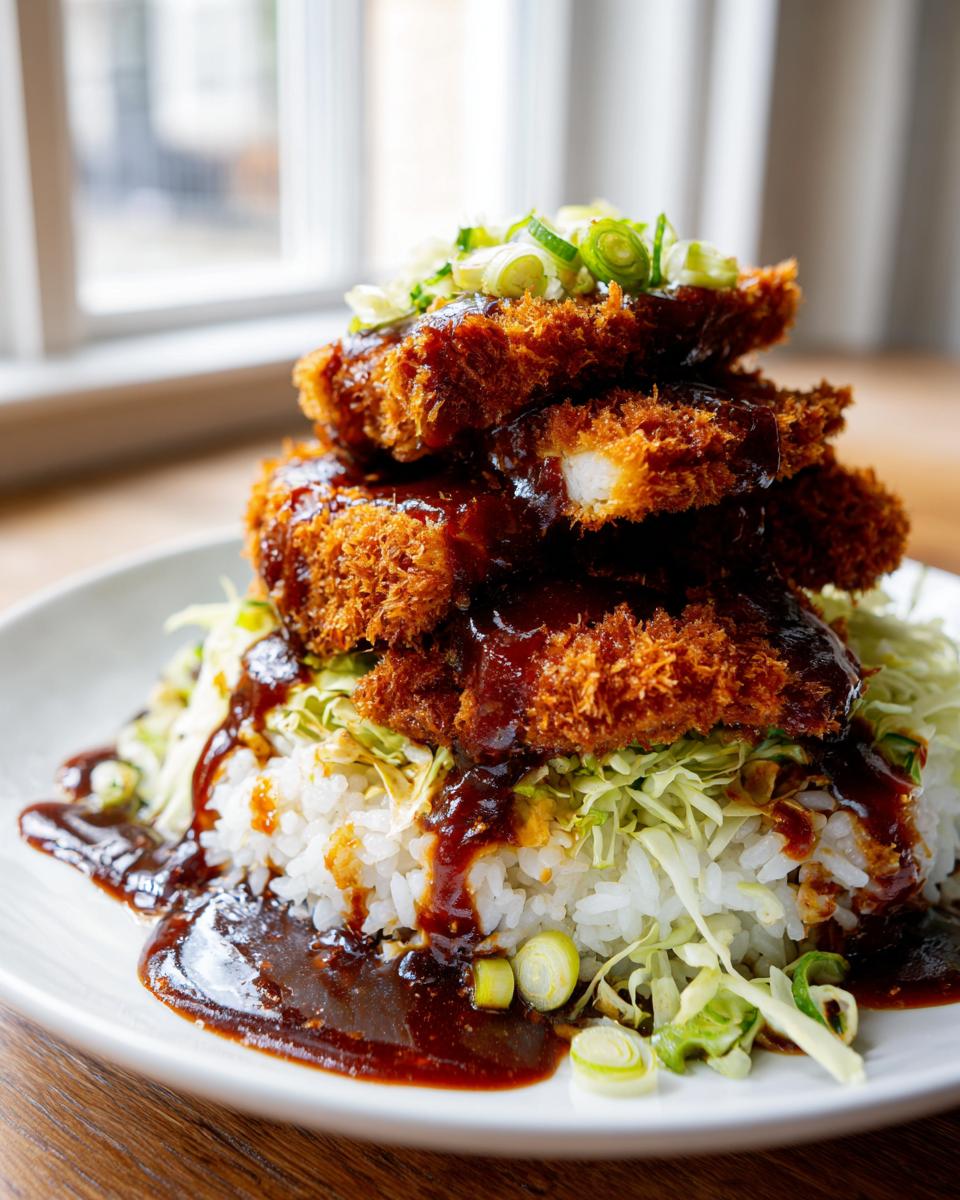
Let the pork rest on the rack for about five minutes. This lets those juices settle back into the meat. After resting, lay them on a cutting board and slice them into bite-sized strips about half an inch wide.
Assembling Your Japanese Katsu Bowls With Tonkatsu Sauce
We are ready for the grand finale! Building the bowl is fast since everything else is already prepared. Grab your serving bowls—four of them, ideally. Spoon a generous base of your hot, cooked short-grain white rice into the bottom of each bowl. That sticky rice is the perfect anchor for everything else.
Next, pile up a nice little nest of your thinly shredded green cabbage right next to the rice mound in each bowl. The raw cabbage is essential because it cuts through the richness of the fried pork. Then, arrange your sliced katsu strips right over the cabbage. Don’t be shy; you want a good portion of that golden crust!
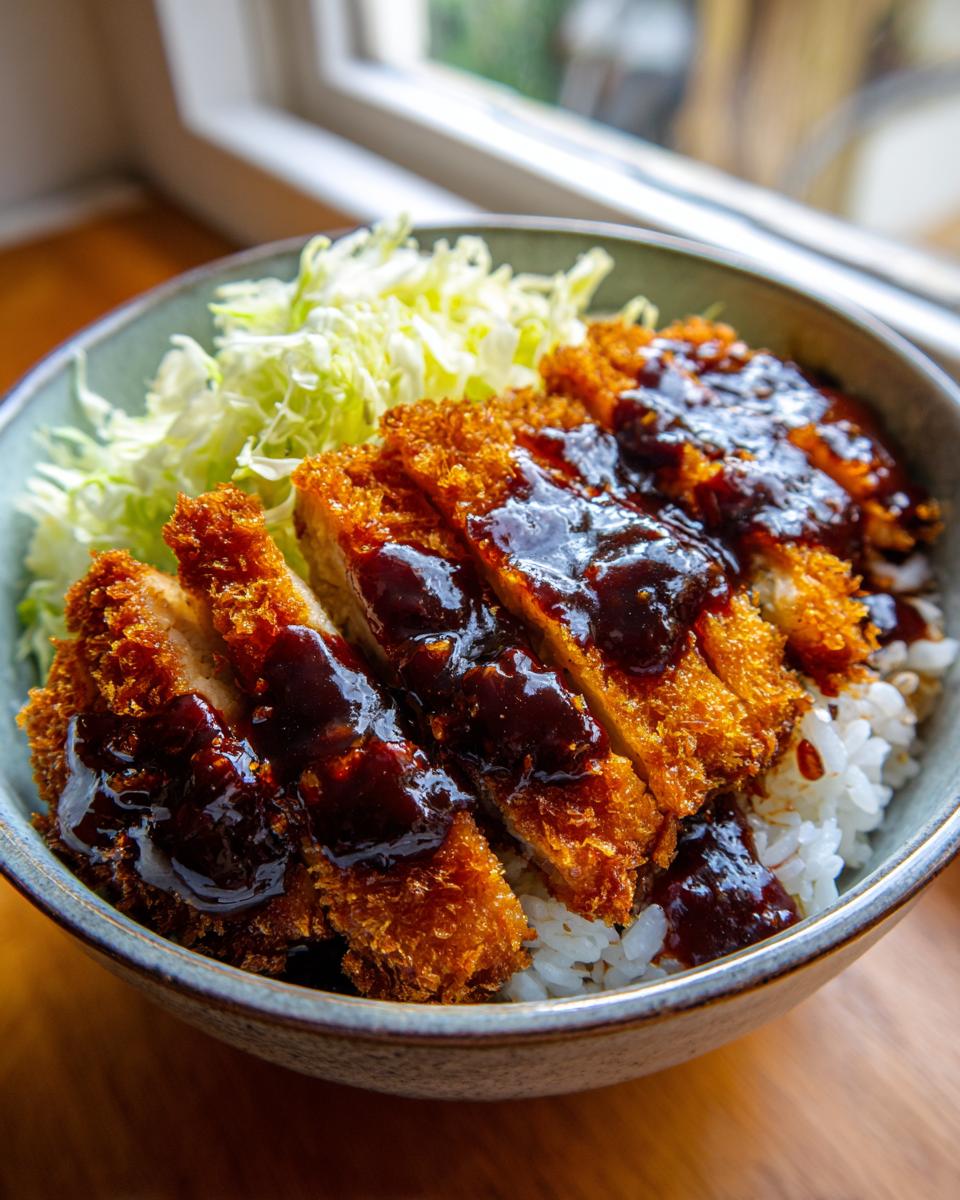
Finally, the moment of truth: drizzle that rich, dark Tonkatsu sauce liberally over the katsu. Serve these bowls right away while the pork is still hot and crackling! Honestly, they are heavenly when assembled fresh.
Tips for Achieving Restaurant-Quality Japanese Katsu Bowls With Tonkatsu Sauce
So you nailed the frying temperature and pressed that Panko on tight—awesome! But if you want these Japanese Katsu Bowls With Tonkatsu Sauce to taste like they came right out of a fantastic little Tokyo eatery, I have a few extra tricks up my sleeve that I think you’ll appreciate. These are the little things that take the dish from “really good homemade” to “wow, I need this recipe!”
My number one piece of advice, which you’ll see scattered around my cooking advice, is all about temperature control, especially when frying. If you’re worried about your oil temperature dipping while you work in batches, try setting up a larger pot with more oil than you think you need. More oil volume means the temperature stabilizes faster after you drop the cold pork in. That consistent heat keeps the Panko crisp!
Another thing I realized makes a huge difference is the cabbage. You need that clean, watery crunch, right? Don’t just slice it; soak the shredded cabbage in ice water for about ten minutes right before you assemble the bowls. When you pull it out, dry it *thoroughly*—I mean really get it dry—and that will intensify its snap! It’s like giving the cabbage a refreshing blast before serving.
When it comes to seasoning the pork itself, don’t rely only on the salt and pepper before breading. If you want a little extra savory depth that complements the sweet Tonkatsu sauce, try adding a tiny pinch of something umami-rich right into your flour dredge. I sometimes mix in a microscopic bit of dried shiitake mushroom powder if I have it handy. If you ever want a great all-purpose seasoning blend that works for fried foods and cuts through richness, you should check out my recipe for perfected french fry seasoning; a little dash in the flour works wonders here too!
Finally, don’t let that beautiful katsu sit around too long before saucing it. The Tonkatsu sauce is liquid gold, but if you let the sliced cutlets sit for 15 minutes, that sauce will start to steam the crust, making it tough. Assemble one bowl completely, sauce it, and serve it immediately while the Panko is singing!
Ingredient Notes and Substitutions for Your Japanese Katsu Bowls With Tonkatsu Sauce
You asked about substitutions, and I totally get it! We always have to adapt recipes based on what’s in the fridge or what we happen to be craving. While I stand by the pork cutlet being the classic choice for these Japanese Katsu Bowls With Tonkatsu Sauce, this setup is super adaptable. Don’t sweat if you’re missing one item; we can pivot!
First, let’s talk protein. If you aren’t feeling pork chops, you can absolutely make Chicken Katsu! Just use boneless, skinless chicken breasts instead. You’ll want to pound them to the same 1/4-inch thickness to ensure they cook quickly and evenly. The breading and frying process stays exactly the same!
As for the rice—you really need short-grain white rice here. That sticky texture is what holds the whole bowl together. Long-grain rice tends to separate too much when you add the warm toppings. If you were aiming for a healthier version, the recipe notes mention that you can bake the breaded cutlets instead of frying. Pop them in a hot oven or even an air fryer! If you are looking at alternatives for deep-fried snacks in general, I have a recipe for KFC-style Popcorn Chicken that uses a totally different coating you might enjoy another night!
Now, the sauce is usually the sticking point. If you are simply out of store-bought Tonkatsu sauce, you can whip up a quick substitute using ketchup, Worcestershire sauce, a splash of soy sauce, and a little sugar, but trust me, nothing beats the real deal for authenticity. If you’re looking at avoiding added fats, the baked option mentioned above is your best bet for keeping this dinner on the lighter side!
Serving Suggestions to Complete Your Japanese Katsu Bowls With Tonkatsu Sauce
Once you’ve got that perfect crispy pork cutlet sitting atop the rice and cabbage, the bowl is already spectacular, but why stop there? A great meal is all about the supporting cast, right? These little additions can really round out your Japanese Katsu Bowls With Tonkatsu Sauce and make it feel like a complete, balanced plate.
First off, we’ve already got the crunchy cabbage in the bowl, but sometimes I like a little extra green on the side for freshness. The recipe notes suggest a simple, crisp side salad, and I agree wholeheartedly. Don’t overcomplicate it! A quick side of thinly sliced lettuce tossed with a very light rice vinegar dressing is fantastic. Alternatively, a simple cucumber salad—just thinly sliced cucumbers marinated quickly in a splash of soy sauce and rice vinegar—is refreshing and offers a cool contrast to the warm, fried pork.
If you’re feeling like you want something heartier on the side (maybe you made smaller portions in the bowl), simple steamed edamame sprinkled with a little flaky sea salt is always a winner. It’s salty, fun to eat, and keeps that Asian vibe going strong.
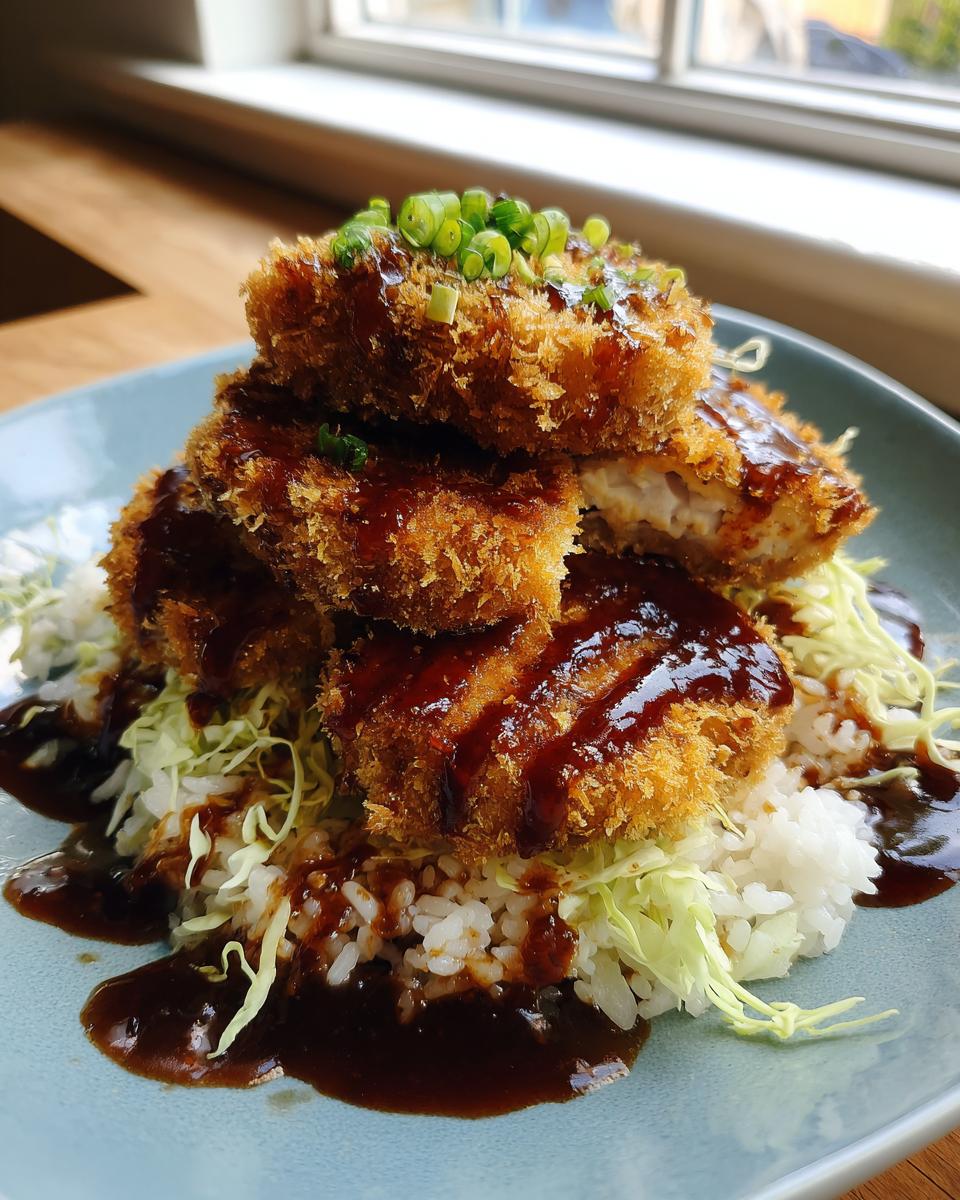
Now for the drink pairing! You need something clean to cut through that fried richness. Forget heavy sodas; the perfect accompaniment here is a glass of cold, unsweetened green tea. It’s traditional, incredibly refreshing, and I swear it helps cleanse the palate between bites of that savory Tonkatsu sauce. If you’re looking for something richer for another night, I know a great recipe for creamy ricotta shells, but for katsu, keep the drink light!
The key takeaway is balance: you’ve got rich, crispy, savory, and fresh. By pairing it with a simple green side and a clean drink, you’ve created a meal that feels both indulgent and surprisingly healthy!
Storage and Reheating Instructions for Leftover Japanese Katsu Bowls With Tonkatsu Sauce
Okay, let’s be real for a second. These Japanese Katsu Bowls With Tonkatsu Sauce are truly, truly best enjoyed the second they come out of the fryer. The sound of that crisp Panko coating hitting the bowl is half the fun! That said, life happens, and sometimes you have leftovers, which is totally fine. The trick here is realizing that the components hate sitting together in the fridge.
The minute you mix the hot katsu with the cool cabbage and rice, everything starts sweating and getting that dreaded soggy texture. So, if you know you’ll have extras, you must separate them immediately. I pack the cooked rice, the shredded cabbage, and those gorgeous sliced pork cutlets into three entirely different, airtight containers.
This separation is the absolute core of successful katsu leftovers. The rice stays fluffy, the cabbage stays crunchy, and the pork stays… well, it stays coated, which is better than them melding into one sad mushy casserole!
The Golden Rule: Never Microwave the Katsu!
I cannot stress this enough: Putting these beautiful, crisply breaded pork cutlets in the microwave is an act of culinary sabotage. Microwaves heat water molecules, and that heat turns the Panko into sad, chewy sponge material. We worked too hard for that! When you want to reheat the pork, you need dry, intense heat to drive that moisture out again.
Your best tool is an oven or, even better, an air fryer. Set your air fryer to about 375°F (190°C). Pop the slices in a single layer—don’t stack them!—and let them cook for about 5 to 7 minutes. Keep an eye on them; you’ll see them start to crisp up again beautifully. If you don’t have an air fryer, the toaster oven or a standard oven on the bake setting (around 375°F) works well too. Just spread them thinly on a baking sheet; give them about 10 minutes, watching carefully so the crumbs don’t burn.
Reheating the Rice and Cabbage
The rice and cabbage are much more forgiving, thank goodness! The cooked short-grain rice can usually handle a quick zap in the microwave, perhaps with just a tiny splash of water added to the container before you cover it. That little bit of steam will refresh it. Cover it loosely with a damp paper towel while heating.
The cabbage is tricky because it’s already losing structure just by being refrigerated. If it seems limp when you pull it out, don’t even bother reheating it! Just toss it with a tiny squeeze of fresh lemon or lime juice to wake up its flavor, and serve it cold alongside your re-crisped pork. The contrast between the hot katsu and the cold, refreshed cabbage is actually quite nice!
Once everything is reheated separately and the pork is crackling again, rebuild your bowl just like you did the first time: rice layer, cabbage layer, pork slices, and a fresh drizzle of that magnificent Tonkatsu sauce. Enjoy!
Frequently Asked Questions About Japanese Katsu Bowls With Tonkatsu Sauce
I totally get it—when you’re making something new, you always have questions fluttering around! I’ve tried to cover the most common stumbling blocks when mastering the perfect crispy cutlet. Honestly, once you get the breading down, these Japanese Katsu Bowls With Tonkatsu Sauce are a breeze, but here are a few things people often ask me.
Can I use regular breadcrumbs instead of Panko?
Oh, I wish I could say yes, but if you want that restaurant-quality *crunch*, you really, really need Panko. Regular breadcrumbs are finer and denser, and when they hit the hot oil, they tend to soak up the fat and become heavy or even soggy really fast. Panko breadcrumbs are large, light flakes, which means they fry up airy and crisp and they don’t absorb as much oil. It’s the secret to keeping the texture perfect! If you find yourself cooking a lot of Asian-inspired fried treats, grabbing a box of Panko is worth it!
What is the best oil for frying Katsu?
You need an oil with a high smoke point because we’re cooking at 340°F (170°C). I usually stick to vegetable oil or canola oil. They are neutral in flavor, which is super important so you can actually taste the pork and the sauce, not the oil! Peanut oil works great too if you don’t have any allergies in the house, but skip olive oil entirely—it burns way too fast at that temperature, and frankly, it tastes bitter when overheated. Consistency in temperature is everything, so make sure you have that thermometer handy!
Can I make this recipe ahead of time?
This is where we have to be strategic, just like I talked about in the storage section! You definitely should not bread the pork cutlets ahead of time, even if you keep them in the fridge. That moisture will make the Panko go gummy. The best way to prep ahead is to cook the rice and shred the cabbage the day before. Then, right before dinner, pound the pork, bread it fresh, and fry it immediately. It keeps your cook time under 35 minutes!
What if I don’t have Tonkatsu sauce? Can I skip it?
You can skip it, but you’ll be missing the entire point of the bowl, to be honest! That sauce is the signature flavor, offering that perfect mix of sweet, tangy, and savory. If you are in a total bind, you can try mixing equal parts ketchup and Worcestershire sauce with a splash of soy sauce stirred in. It’s a decent stand-in, but if you’re planning on making these regularly, I stock up because it makes meals like this so effortless. You can find links to other ways I improvise ingredients in my other posts, like this one for easy chicken ramen, where sourcing ingredients is also really important!
How do I make sure the pork is cooked all the way through without burning the outside?
This is all about monitoring your oil temperature! We established we need 340°F (170°C). If you have a deep-fry thermometer, use it! If the outside looks deeply browned very quickly (like in two minutes), the oil is too hot, and the center is likely still raw. Pull the heat down a bit and let the oil recover its temperature before adding the next batch. Since we pound the pork thin (1/4 inch), it cooks fast—usually 3-4 minutes per side is all it takes to hit that safe 145°F internal temperature!
Estimated Nutritional Snapshot for Japanese Katsu Bowls With Tonkatsu Sauce
I always like to look at the numbers, even though I cook with my heart more than my calculator! When we talk about our Japanese Katsu Bowls With Tonkatsu Sauce, it’s important to remember that since we are pan-frying the cutlets, the fat content is naturally higher than if we were baking them. I’ve put together a snapshot based on the standard recipe portions. Think of this as a ballpark guide, not a strict law!
Since everyone’s kitchen setup is different—maybe you used a different brand of Tonkatsu sauce, or perhaps you used leaner pork—these numbers should be taken as averages. If you are making substitutions, especially healthier ones like baking the pork instead of frying, your fat and calorie counts will look much different! If you are interested in other bowl meals, I’ve got a fantastic shrimp fajita bowl recipe that offers a different profile.
Here is the breakdown for one serving based on the provided estimates:
- **Serving Size:** 1 bowl
- **Calories:** 650
- **Fat:** 30g
- **Saturated Fat:** 6g
- **Trans Fat:** 0g
- **Cholesterol:** 100mg
- **Sodium:** 750mg
- **Carbohydrates:** 65g
- **Fiber:** 2g
- **Sugar:** 15g
- **Protein:** 35g
It looks like we hit a great balance of protein and carbs to power you through the day! Just watch the sodium if you are sensitive to salt, as the sauce contributes quite a bit to that number. Happy cooking, everyone!
Print
Japanese Katsu Bowls with Tonkatsu Sauce
- Total Time: 35 min
- Yield: 4 servings 1x
- Diet: Low Fat
Description
A recipe for crispy pork cutlets served over rice with a savory Tonkatsu sauce.
Ingredients
- 2 boneless pork chops, about 1/2 inch thick
- 1/2 cup all-purpose flour
- 2 large eggs, beaten
- 1 1/2 cups panko breadcrumbs
- Vegetable oil for frying
- 4 cups cooked short-grain white rice
- 1/2 head green cabbage, thinly sliced
- Tonkatsu Sauce (store-bought or homemade)
- Salt and black pepper to taste
Instructions
- Pound the pork chops to an even 1/4 inch thickness. Season both sides with salt and pepper.
- Set up a standard breading station: one shallow dish with flour, one with beaten eggs, and one with panko breadcrumbs.
- Dredge each pork chop first in flour, shaking off excess. Dip into the egg, letting excess drip off. Coat thoroughly in panko breadcrumbs, pressing gently to adhere.
- Heat about 1 inch of vegetable oil in a deep skillet to 340°F (170°C).
- Carefully place one or two cutlets into the hot oil, avoiding overcrowding. Fry for 3 to 4 minutes per side until golden brown and cooked through (internal temperature of 145°F or 63°C).
- Remove the cutlets and place them on a wire rack set over a baking sheet to drain excess oil. Let rest for 5 minutes.
- Slice the cooked cutlets into strips.
- To assemble the bowls, divide the cooked rice among four bowls. Top the rice with shredded cabbage.
- Arrange the sliced katsu over the cabbage.
- Drizzle generously with Tonkatsu sauce. Serve immediately.
Notes
- For a healthier option, bake the breaded cutlets at 400°F (200°C) for 15-20 minutes, flipping halfway.
- You can substitute chicken breast for pork to make Chicken Katsu.
- Shredded lettuce or a simple cucumber salad makes a good side.
- Prep Time: 15 min
- Cook Time: 20 min
- Category: Dinner
- Method: Frying
- Cuisine: Japanese
Nutrition
- Serving Size: 1 bowl
- Calories: 650
- Sugar: 15
- Sodium: 750
- Fat: 30
- Saturated Fat: 6
- Unsaturated Fat: 24
- Trans Fat: 0
- Carbohydrates: 65
- Fiber: 2
- Protein: 35
- Cholesterol: 100
Keywords: Japanese, Katsu, Tonkatsu, Pork Cutlet, Fried Pork, Rice Bowl, Asian Dinner